A Hug in a Bowl: The Tangy, Comforting Tale of Kadhi Pakora
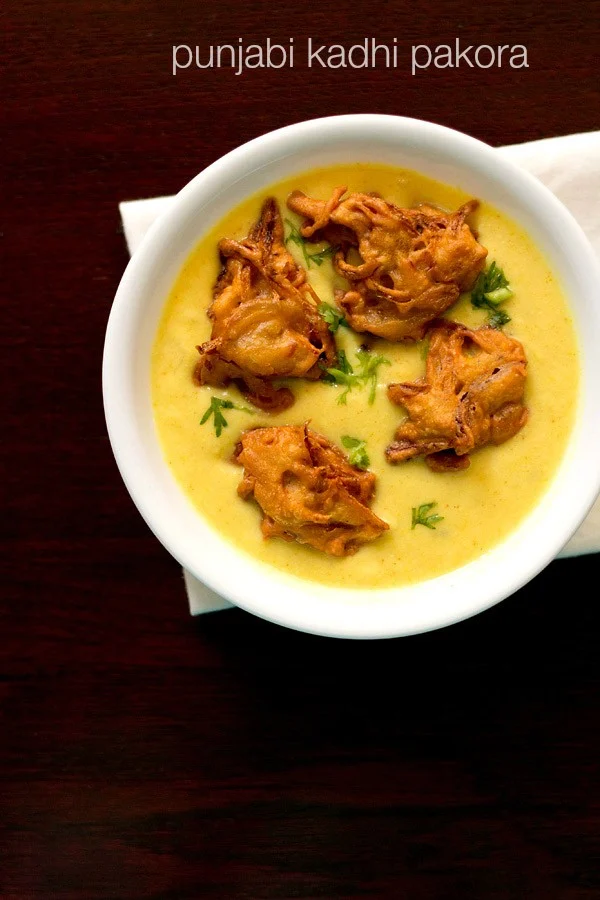
There are some dishes that transcend mere food; they are pure emotion. They taste of rainy afternoons, childhood memories, and the simple joy of a home-cooked meal. Topping that list for many across India is the magnificent Kadhi Pakora. It's a luscious, creamy, and tangy curry that cradles soft, savoury fritters—a true culinary masterpiece that is both rustic and deeply satisfying.
But what makes this seemingly simple dish so universally loved? It's the beautiful contrast: the gentle sourness of the yogurt-based kadhi playing against the savoury, spiced pakoras that soak it all up like little sponges. It's a symphony of textures and flavours that dances on the palate.
Ready to unlock the secrets to the perfect bowl? Let's dive in.
The Soul of the Dish: Mastering the Velvety Kadhi
The kadhi is the heart of this dish. A perfect kadhi is a smooth, velvety river of flavour, free of any lumps. The secret lies in a few key details:
-
The Yogurt: The star ingredient is yogurt (dahi). For that characteristic tang, slightly sour yogurt works best. If your yogurt is fresh, you can leave it out at room temperature for a few hours to develop some sourness.
-
The Flour Power: Gram flour (besan) is the thickening agent. The key is the ratio. A common starting point is a ratio of approximately 1:4 ().
-
The Slow Simmer: Patience is a virtue when making kadhi. It must be cooked on a low, gentle flame. Whisk continuously in the beginning to prevent lumps and splitting. A slow simmer for at least 20-30 minutes develops the flavours and cooks out the raw taste of the gram flour. A cardinal rule: add salt only towards the end of cooking to prevent the yogurt from curdling.
The Spongy Companions: Crafting the Perfect Pakoras
The pakoras (fritters) are not just an addition; they are the kadhi's perfect partner. The goal is to make them so soft and porous that they absorb the tangy gravy. Hard, dense pakoras are a culinary crime!
-
The Batter: The pakora batter is a simple mix of gram flour, water, and spices like turmeric, red chili powder, and ajwain (carom seeds). The consistency should be thick but droppable, not runny.
-
The Magic of Aeration: The number one secret to soft pakoras is aeration. After mixing the batter, you must whisk it vigorously with a spoon or a hand whisk for 4-5 minutes. This incorporates air (Airincorporated) into the batter, making the pakoras light and fluffy when fried. You'll know it's ready when the batter becomes lighter in colour and feels airy.
-
The Golden Fry: Fry the pakoras in medium-hot oil until they are golden brown. Don't over-fry them, or they will become hard. Once fried, drop them directly into a bowl of warm water for a few minutes before adding them to the kadhi. This ensures they remain incredibly soft.
The Crown Jewel: The Aromatic Tadka (Tempering)
The final flourish that elevates Kadhi Pakora from good to unforgettable is the tadka or tempering. This is where the dish gets its incredible aroma and a final burst of flavour.
-
The Base: The tempering is almost always done in ghee (clarified butter) for its unmatched nutty aroma.
-
-
Mustard seeds (rai)
The Symphony of Spices: A typical tadka for kadhi includes:
-
.jpg)