From Regional Roots to Global Tables: How Punjabi Cuisine Won Hearts Everywhere
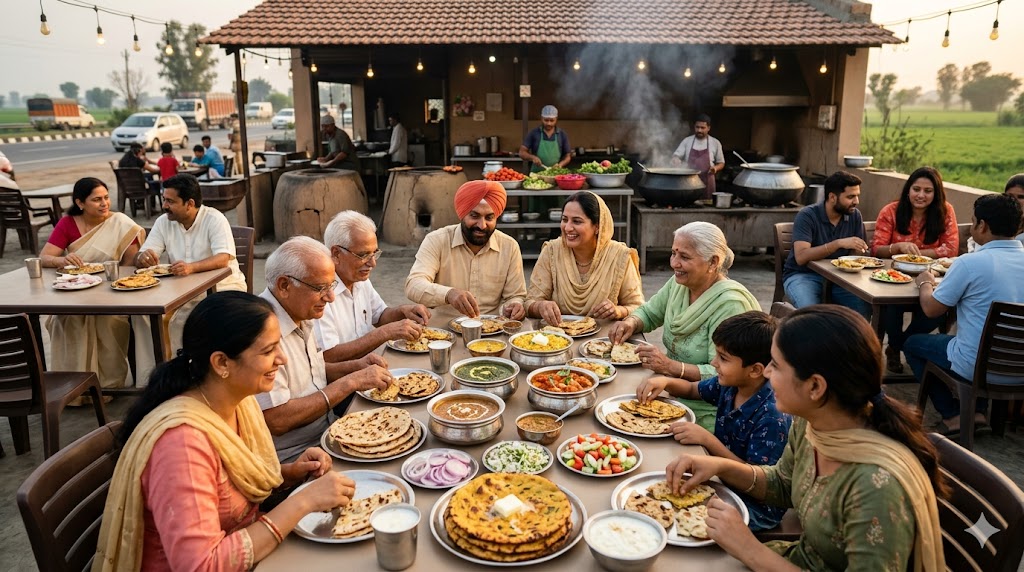
Punjabi cuisine became famous because it combines bold flavors, hearty portions, and a strong tradition of hospitality. Originating in the fertile plains of Punjab, the cuisine developed around agriculture, dairy farming, and wheat cultivation. This led to rich dishes made with fresh ingredients such as butter, ghee, paneer, lentils, and spices, creating meals that are both filling and flavorful. Its comforting nature made it easy for people from many regions to enjoy and adopt.
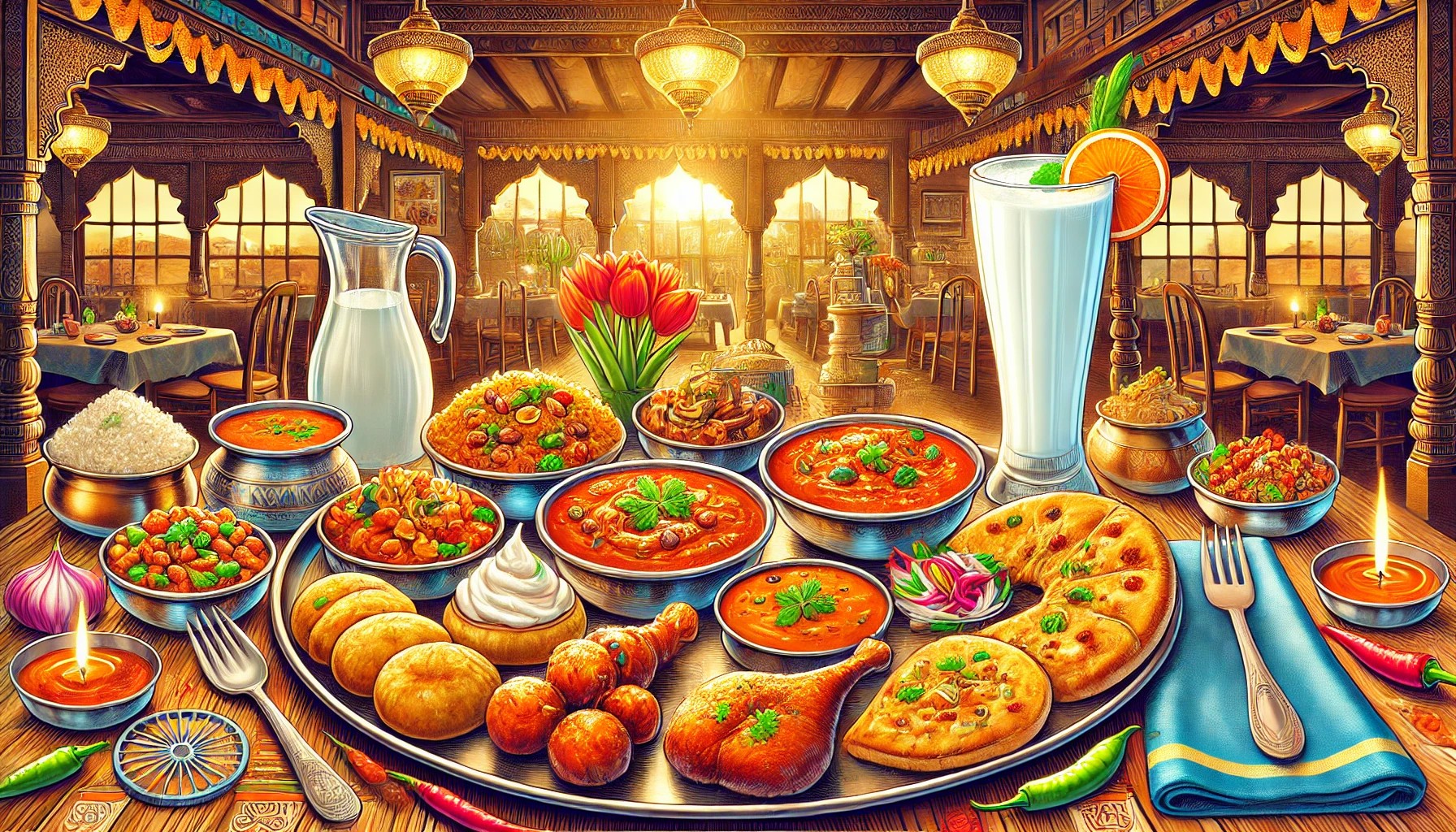
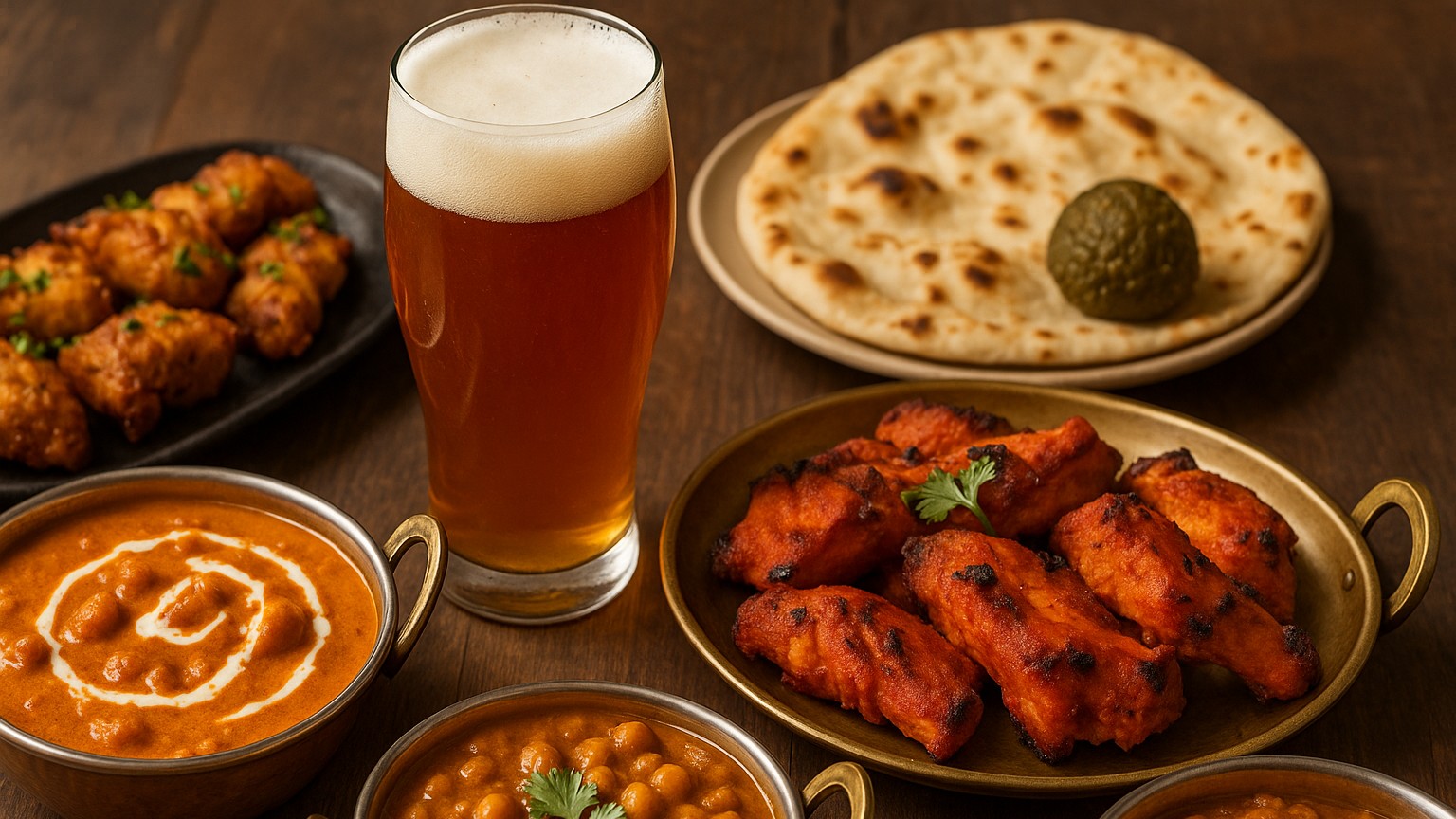
One major reason for its popularity is the balance of taste and texture. Punjabi dishes often blend creamy gravies, smoky tandoor flavors, and fragrant spices, giving each meal a distinctive identity. Foods like Butter Chicken, Sarson da Saag, Makki di Roti, and Chole Bhature became widely loved because they offer strong taste without being overly complex. The use of tandoor cooking also introduced a unique smoky flavor that helped Punjabi food stand out from many other regional cuisines.
The spread of Punjabi food beyond its home region was also influenced by migration and entrepreneurship. Punjabi communities established restaurants across India and around the world, introducing their traditional dishes to new audiences. Highway dhabas, urban restaurants, and international Indian eateries often adopted Punjabi menus because these dishes appealed to a wide range of tastes. This made Punjabi cuisine one of the most recognized forms of Indian food globally.
Another reason for its fame is the cultural connection attached to the food. Punjabi cuisine reflects celebration, family gatherings, and generous serving traditions, which resonate with many people. Meals are often associated with festivals, weddings, and shared dining, making the experience as important as the food itself. Over time, this combination of rich taste, accessibility, and cultural warmth turned Punjabi cuisine into one of the most celebrated culinary traditions in the world.