Petha: The Crystal Sweet That Defines North India’s Timeless Taste
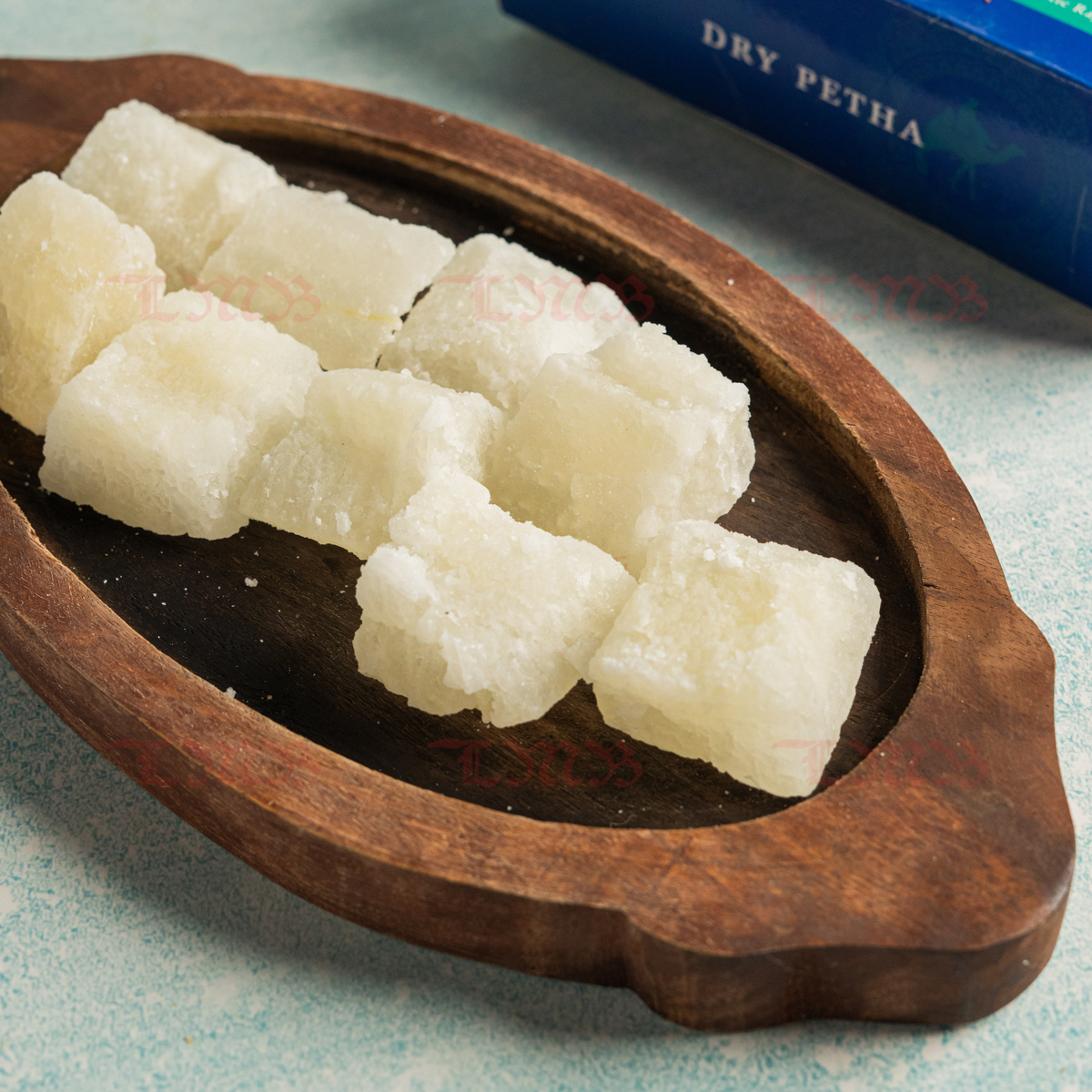
Soft, translucent, and delicately sweet — Petha is one of North India’s most iconic desserts, famously linked to the historic city of Agra. While it’s now enjoyed across Punjab and northern states, its roots stretch back to Mughal kitchens, where it was considered a royal delicacy. More than just a sweet, Petha represents India’s artistry in transforming simple ingredients into something truly divine.
1. The Origin and Heritage of Petha
Petha is believed to have been first made in the Mughal era, under Emperor Shah Jahan, who also built the Taj Mahal. Legend says it was created by royal chefs seeking a unique, white, jewel-like sweet to match the monument’s beauty.
Over time, it spread from royal tables to local sweet shops and Punjabi households, becoming a beloved symbol of purity, hospitality, and celebration.
2. The Essence of Petha
At its heart, Petha is made from ash gourd (white pumpkin) — a humble vegetable transformed through boiling, soaking, and sweetening. The result is a crystal-clear, chewy delicacy that glistens like candy.
-
Texture: Soft yet firm, with a juicy bite.
-
Flavor: Mildly sweet with a natural freshness.
-
Appearance: Transparent, often dusted with sugar or infused with colors.
3. The Cultural Significance in Punjab and Beyond
In Punjabi and North Indian culture, sweets symbolize joy, gratitude, and auspicious beginnings — and Petha perfectly fits that tradition.
-
Festive Treat: Commonly served during Diwali, Raksha Bandhan, and weddings.
-
Gift of Warmth: Sharing boxes of Petha is a way to express goodwill and sweetness in relationships.
-
Travel Favorite: Owing to its long shelf life, it’s often carried as a souvenir from Agra or North Indian journeys.
4. Varieties of Petha – A Modern Evolution
From the traditional Plain Petha, the sweet has evolved into a colorful assortment that caters to every palate:
-
Angoori Petha: Small bite-sized versions, syrupy and soft.
-
Kesar Petha: Infused with saffron, offering a rich aroma and color.
-
Paan Petha: Stuffed with betel and mint for a refreshing twist.
-
Chocolate Petha: A fusion favorite, blending tradition with modern taste.
These variations show how Petha has adapted with time while retaining its authentic charm.
5. Health Aspects and Natural Goodness
While sweets are best enjoyed in moderation, Petha stands out for being relatively light and simple compared to ghee-rich mithais.
-
Made from Ash Gourd: Known for its cooling and detoxifying properties.
-
Low Fat: Contains less oil or ghee than most Indian sweets.
-
Hydrating Sweet: Its high water content makes it refreshing in hot weather.
(Fun Fact: Many Ayurvedic practitioners consider ash gourd beneficial for digestion and hydration!)
6. Petha in Modern Times
Today, Petha continues to charm locals and tourists alike. From traditional halwai shops in Agra and Punjab to modern sweet chains, it has become a culinary ambassador of North India.
-
Exported Worldwide: Loved by the Indian diaspora for its nostalgic flavor.
-
Used in Fusion Desserts: Incorporated in cakes, ice creams, and desserts by creative chefs.
Its versatility proves that this centuries-old sweet remains timeless in taste and tradition.
Conclusion
Petha is more than a dessert — it’s a sweet story of history, innovation, and cultural pride. From the royal kitchens of the Mughals to modern Punjabi households, every piece carries the essence of purity and celebration. Whether enjoyed plain, saffron-infused, or creatively flavored, Petha remains a jewel of North Indian cuisine — simple, elegant, and eternally delightful.
.jpg)