Aloo Paratha: The Soul of Punjabi Comfort Food
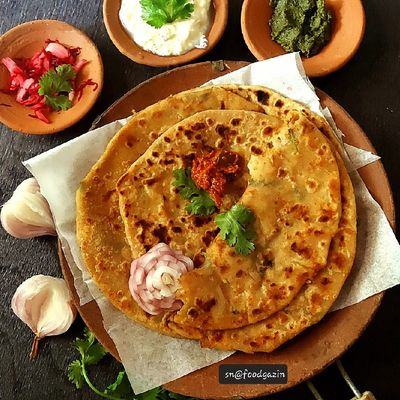
When it comes to iconic dishes that define North Indian cuisine, aloo paratha stands tall. More than just a stuffed flatbread, it’s a cultural experience wrapped in layers of flavor, warmth, and nostalgia. Especially in Punjab, where food is not just about sustenance but celebration, aloo paratha holds a special place on every breakfast table and in every heart.
A Culinary Emblem of Punjab
In Punjab, food is a language of love—and aloo paratha speaks it fluently. Traditionally served with a dollop of white butter and a glass of lassi, this humble dish tells stories of rural kitchens, early-morning tandoors, and generations of home-cooked indulgence. It’s not merely a dish; it’s a ritual, especially on slow weekend mornings or festive family gatherings.
More Than Just Potatoes and Dough
At first glance, aloo paratha might seem simple—mashed spiced potatoes encased in whole wheat dough. But the magic lies in the handcrafted balance of spices, the texture of the filling, and the technique with which it is rolled and roasted to golden perfection. Each household has its own version, and no two parathas taste exactly alike—proof that this dish is as much about personal expression as it is about tradition.
A Comfort Food That Travels Well
Whether you’re a student abroad or an executive in a city far from home, a bite of aloo paratha can instantly transport you back to the familiar sounds and smells of a Punjabi kitchen. It’s one of those dishes that travels across borders, packed in tiffin boxes or served at roadside dhabas, never losing its emotional value. It’s food that feels like home.
The Dhaba Factor
Aloo paratha might be made at home, but it has a second life on the highways of North India, especially at dhabas—roadside eateries that specialize in serving fresh, hearty meals to travelers. There’s something deeply satisfying about tearing into a thick, buttery paratha under open skies, accompanied by tangy pickle and curd. It’s a rustic experience, unfiltered and deeply rewarding.
Symbol of Generosity
In Punjabi households, hospitality is measured in food, and aloo paratha is often the first offering. You’re not just handed one—you’re asked to eat two, three, or more. Refusing seconds can sometimes be seen as disrespectful. This dish symbolizes warmth, abundance, and the Punjabi ethos of “khaati peeti family” (a well-fed family).
Global Recognition
Today, aloo paratha isn’t limited to Indian kitchens. It has found a place on international menus, featured in fusion food trucks, and even on breakfast buffets in luxury hotels. Its rise globally is a testament to its universal appeal. Comforting, filling, and endlessly customizable—it’s everything a perfect meal should be.
Final Thoughts
Aloo paratha is not just food—it’s an emotion, a memory, a cultural touchstone. Whether eaten at home, on the road, or in a far-off land, it reminds you of warmth, of family, and of simpler times. In a world that’s constantly rushing, this Punjabi classic urges you to slow down, take a bite, and savor the moment.
.jpeg)
.jpeg)