
A Taste of Tradition: The Comforting Legacy of Maa Ki Dal
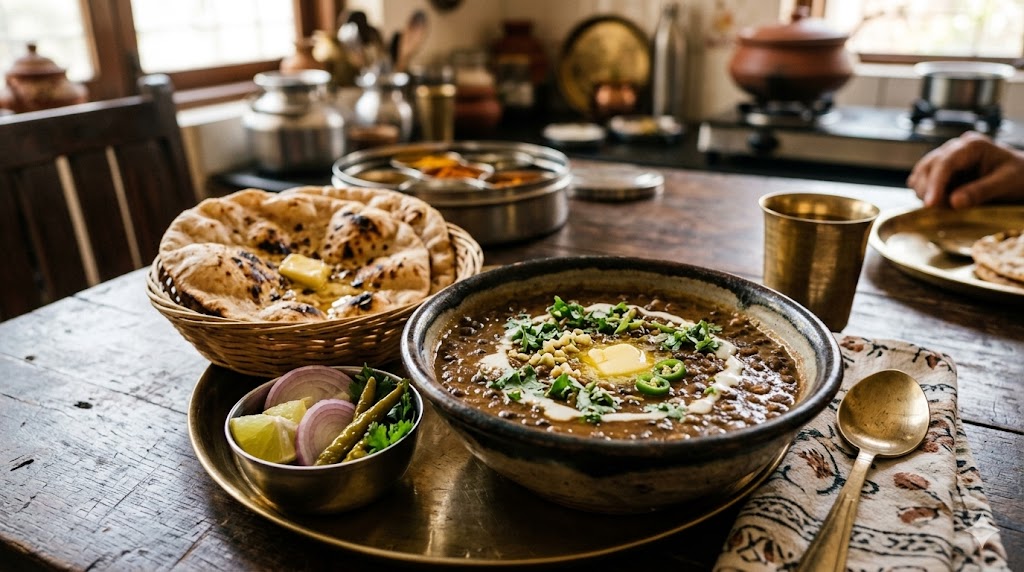
Maa Ki Dal is a beloved dish deeply rooted in Punjabi culinary traditions, celebrated for its rich taste and comforting qualities. The name itself reflects warmth and familiarity, often reminding people of home-cooked meals prepared with care and patience. Known for its slow-cooked texture and earthy flavor, this dish represents the heart of Punjabi hospitality, where simple ingredients are transformed into deeply satisfying food. Over time, it has become a staple that continues to bring families and communities together around the dining table.
Cultural Importance
-
Symbol of home cooking: Often associated with meals lovingly prepared by mothers and elders.
-
Traditional presence: Commonly enjoyed in Punjabi households during everyday meals as well as gatherings.
-
Culinary heritage: Reflects the long-standing tradition of slow cooking in North Indian cuisine.
Flavor and Texture
-
Deep, earthy taste: Known for its naturally rich and hearty flavor profile.
-
Creamy consistency: Slow cooking helps create a thick and comforting texture.
-
Aromatic experience: Often complemented by fragrant spices that enhance its overall appeal.
Role in Punjabi Meals
-
Versatile pairing: Frequently served with flatbreads or rice-based dishes.
-
Everyday comfort food: Considered nourishing and satisfying for regular meals.
-
Community dining: Often prepared in generous portions for sharing with family and guests.
Nutritional Value
-
Protein-rich ingredient: Lentils provide an important plant-based protein source.
-
High in fiber: Supports digestion and helps maintain balanced nutrition.
-
Wholesome meal component: Fits well into a balanced and nourishing diet.
Enduring Popularity
-
Timeless appeal: Continues to be loved across generations.
-
Restaurant and home favorite: Found in both traditional homes and modern dining establishments.
-
Cultural connection: Represents the simplicity and authenticity of Punjabi food traditions.
Maa Ki Dal is more than just a dish—it is a symbol of warmth, patience, and culinary heritage. Its enduring popularity highlights how traditional recipes continue to preserve cultural identity while offering comfort and nourishment to those who enjoy them.
.jpeg)
.jpeg)