Bold Flavors of Punjab: Discovering the Legacy of Pindi Chole
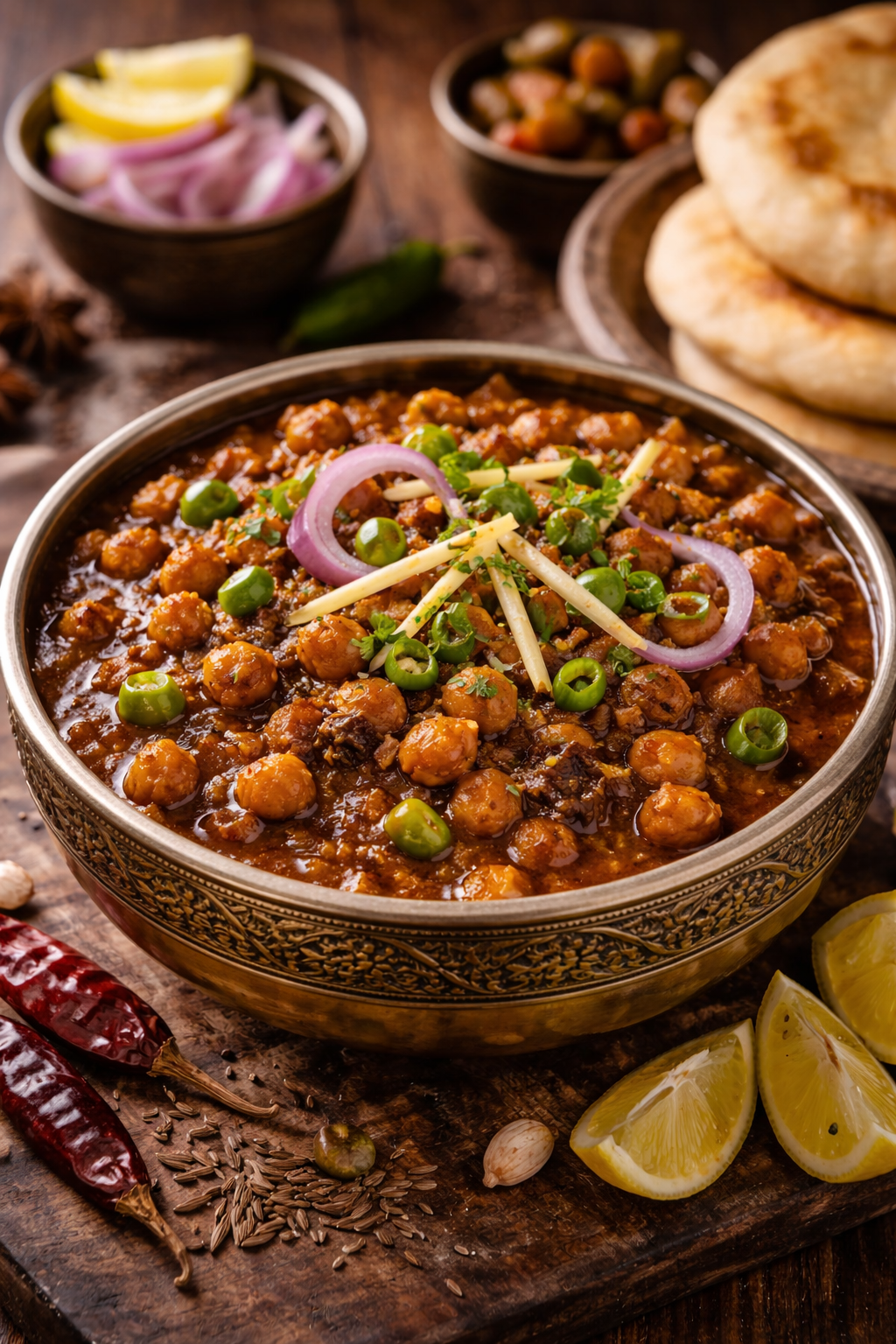
Pindi Chole is a celebrated dish rooted in the culinary traditions of Punjab, known for its robust taste and distinctive preparation style. Originating from the region around Rawalpindi, this chickpea-based delicacy has become a symbol of hearty North Indian cuisine. Unlike many other chickpea dishes, it is valued for its deep, earthy flavors and rich appearance, making it a favorite in both homes and eateries. Its popularity continues to grow because it represents both regional identity and comfort food familiarity.
Cultural and Historical Background
-
Regional roots: Named after Rawalpindi, reflecting its geographical and cultural origins.
-
Traditional preparation: Known for methods that emphasize slow flavor development and spice infusion.
-
Widespread recognition: Now appreciated across India and beyond as a staple Punjabi offering.
Flavor Profile and Appeal
-
Bold seasoning: Characterized by intense, tangy, and aromatic spice combinations.
-
Rich texture: Chickpeas provide a hearty and satisfying consistency.
-
Distinct appearance: Often recognized for its darker tone and concentrated flavor base.
Role in Everyday Dining
-
Versatile pairing: Commonly served with various breads or rice-based accompaniments.
-
Street and home presence: Found in roadside food stalls as well as family kitchens.
-
Filling meal choice: Considered nourishing and substantial, suitable for different occasions.
Nutritional Perspective
-
Plant-based protein source: Chickpeas contribute to balanced dietary intake.
-
Fiber content: Supports digestion and satiety.
-
Moderate indulgence: Enjoyed as part of a varied and balanced eating pattern.
Continuing Popularity
-
Modern reinterpretations: Adapted in restaurants while preserving traditional identity.
-
Culinary heritage: Represents the depth and variety of Punjabi food culture.
-
Enduring relevance: Remains beloved due to its satisfying taste and cultural significance.
Pindi Chole stands as more than just a flavorful dish — it reflects history, community, and culinary artistry. By understanding its background and role in food traditions, one can appreciate how simple ingredients transform into something deeply meaningful within Punjabi gastronomy.