Katta Khoya: A Forgotten Punjabi Dish Rooted in Rural Tradition
Punjab’s culinary identity is often reduced to a handful of popular dishes, but beyond restaurant menus lies a deeper, more authentic food culture. Katta Khoya is one such traditional Punjabi preparation—rarely discussed, scarcely documented, and deeply connected to rural life. This dish represents a time when food was seasonal, resourceful, and guided by necessity rather than presentation.
What Is Katta Khoya?
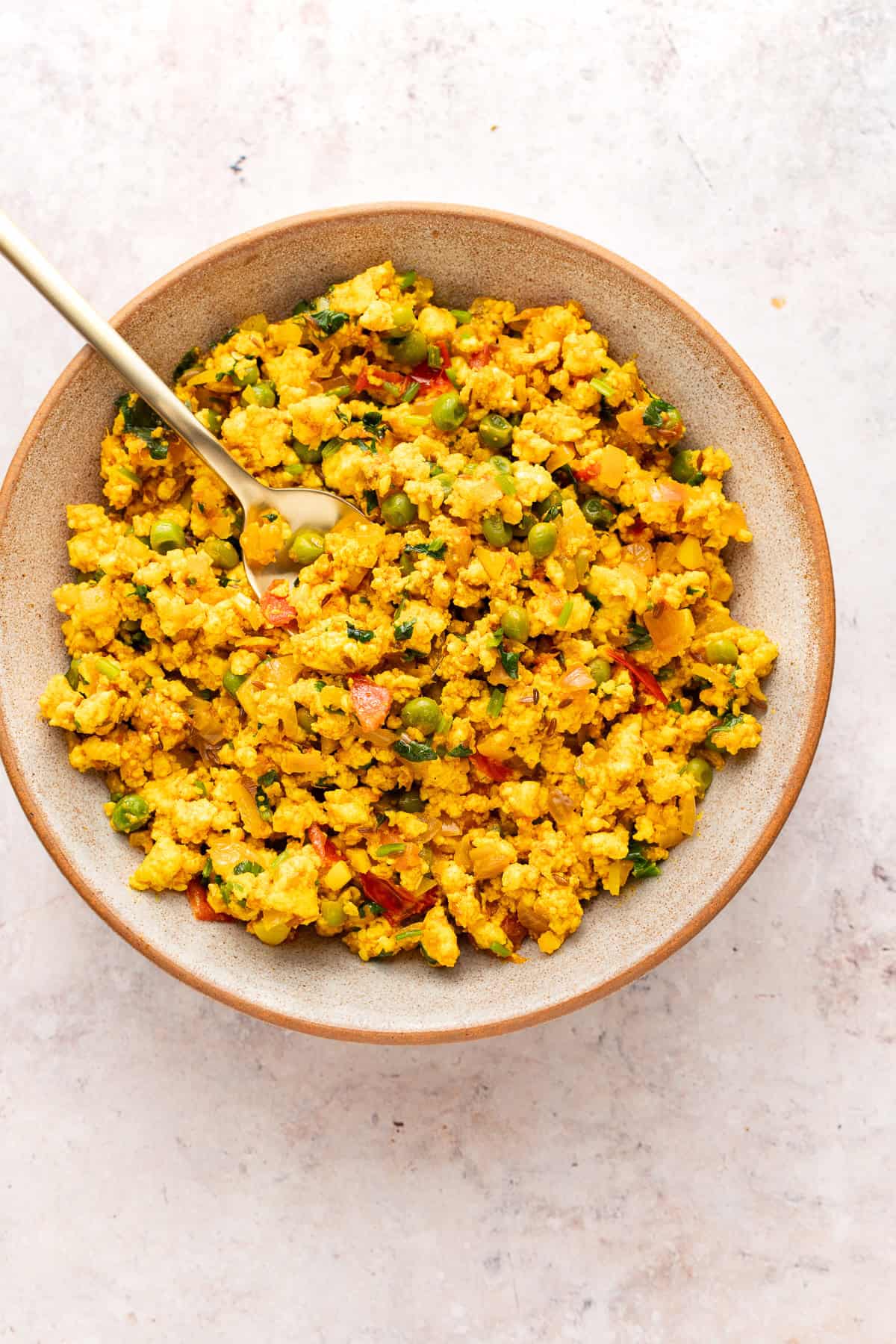
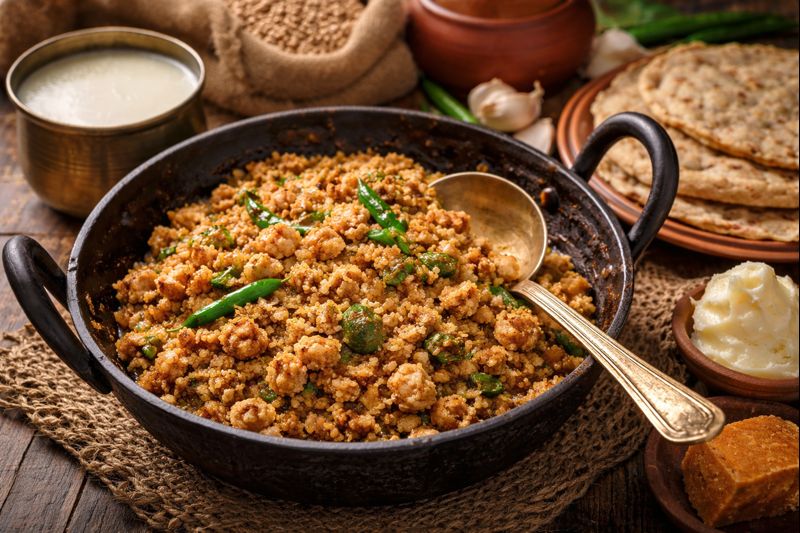
Katta Khoya is a rustic Punjabi preparation made using reduced milk solids, traditionally cooked further with simple ingredients to create a dense, nourishing dish. Unlike modern khoya-based sweets, this version was not dessert-oriented and was often consumed as a sustaining meal component.
It originated in villages where dairy surplus had to be preserved without refrigeration, making khoya a practical solution.
Cultural Significance in Punjab
-
Village-Centric Dish
Katta Khoya was common in pind (village) households, especially during winter months when milk production was high. -
Food of Sustainability
Nothing was wasted. Excess milk was reduced, stored, and reused in various forms, with Katta Khoya being one such adaptation. -
Not a Festive Sweet
Unlike peda or burfi, Katta Khoya was not associated with celebrations. It was everyday nourishment, reflecting Punjab’s agrarian mindset.
How Katta Khoya Differs from Commercial Khoya
Many confuse Katta Khoya with the khoya used in sweets, but there are clear differences:
-
Purpose: Meant for sustenance, not indulgence
-
Texture: Coarser and denser
-
Flavor Profile: Mild, earthy, and dairy-forward
-
Preparation Style: Minimal spices, no sugar overload
This distinction is why Katta Khoya has remained absent from mainstream food blogs and restaurant menus.
Why Katta Khoya Is Almost Unknown Today
Several factors have contributed to its disappearance:
-
Shift from joint families to nuclear households
-
Decline in home-based dairy processing
-
Preference for faster, ready-made foods
-
Lack of documentation in modern Punjabi cuisine narratives
As a result, Katta Khoya survives mainly in oral history and a few rural kitchens.
Nutritional Perspective
Traditionally, Katta Khoya was valued for being:
-
Energy-dense
-
High in milk proteins and fats
-
Suitable for physically demanding farm life
Before supplements and packaged foods, such dishes played a vital role in daily nutrition.
Relevance in Today’s Food Revival Movement
With growing interest in:
-
indigenous foods
-
slow cooking
-
sustainable eating
Katta Khoya fits naturally into conversations about reviving forgotten regional cuisines. It offers insight into how Punjabi food evolved before commercial influences reshaped it.
Why Documenting Dishes Like Katta Khoya Matters
Preserving dishes like Katta Khoya is not about nostalgia alone. It helps:
-
Maintain culinary diversity
-
Educate future generations
-
Respect regional food knowledge
-
Prevent cultural erasure
Every undocumented dish lost is a fragment of history erased.
.jpeg)