
Panchranga Achar: Unlocking the Secrets of Punjab’s Five-Colored Pickle
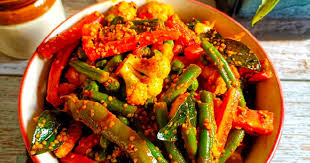
If there is one image that defines a North Indian winter, it is the sight of ceramic jars resting on rooftops, soaking up the gentle afternoon sun. Inside those jars, a magical transformation is happening. Vegetables are mingling with spices and oil to create Panchranga Achar, the quintessential Punjabi mixed vegetable pickle.
While mango and lime pickles are year-round staples, Panchranga Achar is a seasonal celebrity. It captures the crunch and sweetness of winter produce in a bottle. But what makes this specific pickle so iconic? Let’s dive into the history, flavor profile, and health secrets of this vibrant condiment.
Decoding the Name: What is Panchranga?
The word Panchranga translates literally to "five colors" (Panch = Five, Ranga = Colors). This name is a nod to the visual beauty of the jar, which is packed with a medley of colorful, seasonal vegetables.
While variations exist across households, the "Classic Five" usually consist of:
-
Carrots (Gajar): Providing a vibrant orange hue and natural sweetness.
-
Cauliflower (Gobhi): The white florets that soak up the spices like a sponge.
-
Turnips (Shalgam): Offering a unique, slightly pungent bite and soft texture.
-
Green Chilies (Hari Mirch): Adding the necessary heat and bright green pop.
-
Ginger (Adrak): For warmth and a sharp, zesty kick.
Sometimes, fresh turmeric or lotus stem (kamal kakdi) is added, but the core philosophy remains the same: a celebration of the winter harvest.
The Flavor Profile: A Symphony of Spice
Unlike the sun-cooked sweet mango pickles of summer, Panchranga Achar is often a "fresh" pickle, sometimes made instant or semi-fermented. The flavor profile is complex and distinctively Punjabi.
-
The Pungency of Mustard: The base is almost always raw or smoked mustard oil (Sarson ka tel). This provides a preservative barrier and a sharp, wasabi-like kick that clears the sinuses.
-
The Sour Note: The tanginess usually comes from Rai (split mustard seeds) which ferments over time, or the addition of vinegar or dry mango powder (Amchur).
-
The Crunch: Because it is often eaten relatively fresh, the vegetables retain a delightful crunch (especially the carrots and cauliflower), contrasting beautifully with soft breads.
-
The Sweetness: Many versions, particularly the Gobhi Gajar Shalgam variety, include jaggery (Gud), creating a "Khatta-Meetha" (sweet and sour) balance that is addictive.
Why It’s a Nutritional Powerhouse
In traditional Indian medicine and Ayurveda, pickles are not just taste enhancers; they are digestive aids. Panchranga Achar, when made traditionally, offers surprising health benefits.
1. Gut Health and Probiotics
Traditional pickling involves lacto-fermentation. The salt and mustard seeds encourage the growth of good bacteria. Eating a small amount with your meal can act as a natural probiotic, aiding digestion and gut health.
2. Seasonal Immunity
Nature provides specific vegetables in winter for a reason. Carrots are high in Vitamin A, while cauliflower and turnips are rich in Vitamin C and fiber. Preserving them ensures you have access to nutrient-dense foods even as the season wanes.
3. The Warming Effect
The spices used—specifically mustard seeds, fenugreek (methi), and nigella seeds (kalonji)—are considered "warm" foods. They help the body generate heat, making this pickle the perfect accompaniment to a cold, foggy January morning.
.jpeg)
.jpeg)