Palak Gosht: A Flavorful Fusion of Spinach and Meat in Indian Cuisine
Introduction
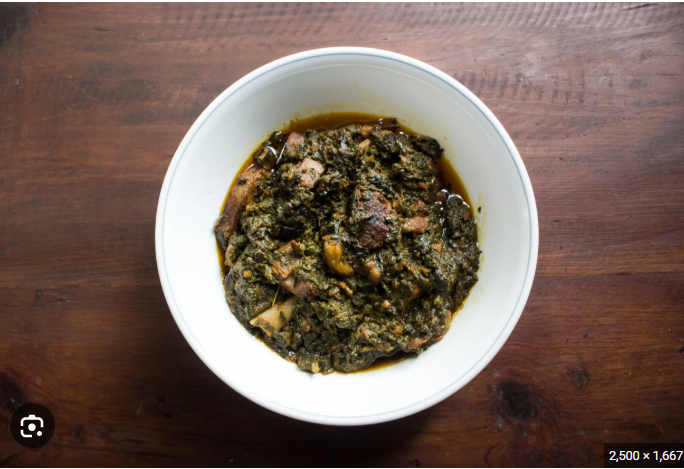
Palak Gosht is a classic Indian dish that beautifully combines tender meat with the nutritional goodness of fresh spinach. Widely enjoyed across North India and Pakistan, this hearty preparation is known for its rich flavors, aromatic spices, and vibrant green appearance. It has become a favorite among food lovers who appreciate traditional dishes that offer both taste and nourishment. Whether served during family gatherings or festive occasions, Palak Gosht remains a timeless delicacy that showcases the diversity of South Asian cuisine.
The Origins of Palak Gosht
Palak Gosht has its roots in Mughlai and North Indian culinary traditions, where slow-cooked meat dishes have been celebrated for centuries. Over time, regional influences have introduced slight variations in spices and cooking styles, making the dish unique in different parts of the Indian subcontinent. Despite these differences, the combination of succulent meat and spinach continues to define the authentic identity of Palak Gosht.
Nutritional Benefits
One of the reasons Palak Gosht is highly valued is its impressive nutritional profile. Spinach is rich in iron, calcium, vitamin A, vitamin C, and antioxidants that support overall health and strengthen the immune system. The meat component provides high-quality protein, essential amino acids, vitamin B12, and important minerals like zinc and phosphorus. Together, these ingredients create a balanced meal that offers both energy and essential nutrients.
What Makes Palak Gosht Unique?
The uniqueness of Palak Gosht lies in its harmonious blend of earthy spinach and flavorful meat. Unlike many curry-based dishes that rely heavily on cream or tomatoes, Palak Gosht derives much of its richness from the natural texture of cooked spinach. The carefully selected spices enhance the flavors without overpowering the freshness of the greens, resulting in a dish that is both comforting and satisfying.
Popular Regional Variations
Different regions have developed their own versions of Palak Gosht based on local culinary traditions. Some recipes feature lamb or mutton for a richer flavor, while others use chicken for a lighter alternative. In certain areas, the dish has a thick, creamy consistency, whereas other versions are prepared with a thinner gravy that pairs well with rice. These regional adaptations highlight the versatility of Palak Gosht while preserving its traditional essence.
Best Ways to Serve Palak Gosht
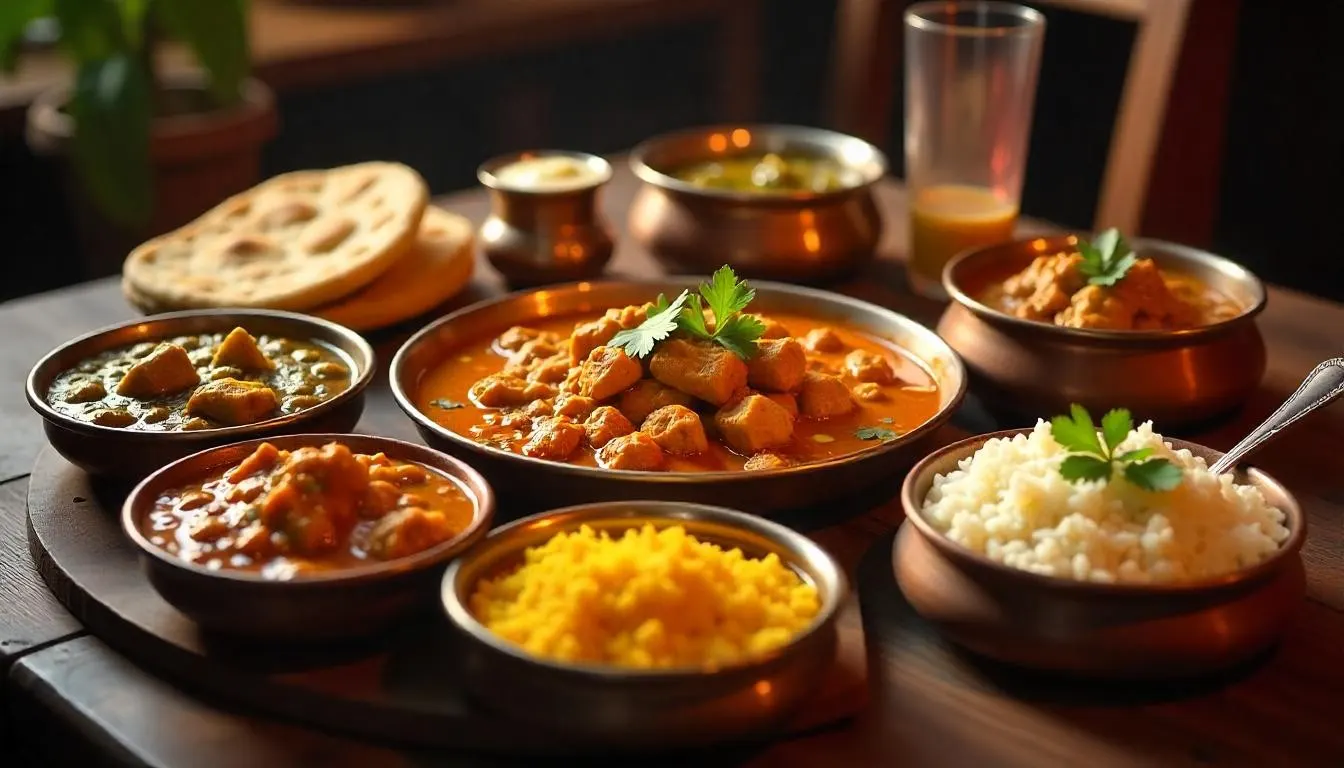
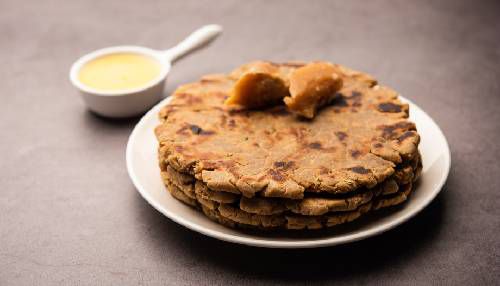
Palak Gosht is commonly served with Indian breads such as naan, roti, tandoori roti, or paratha, allowing diners to enjoy every bit of its flavorful gravy. It also complements steamed basmati rice, jeera rice, or pulao, making it suitable for both everyday meals and special occasions. A side of fresh salad, sliced onions, lemon wedges, or cooling yogurt enhances the dining experience by balancing the richness of the dish.
Why Palak Gosht Remains a Timeless Favorite
Palak Gosht continues to be cherished because it combines wholesome ingredients with traditional cooking techniques that have stood the test of time. Its ability to deliver bold flavors while offering significant nutritional value makes it a preferred choice for families and food enthusiasts alike. As more people seek meals that are both satisfying and nutritious, Palak Gosht remains a celebrated dish that represents the rich culinary heritage of Indian cuisine.